
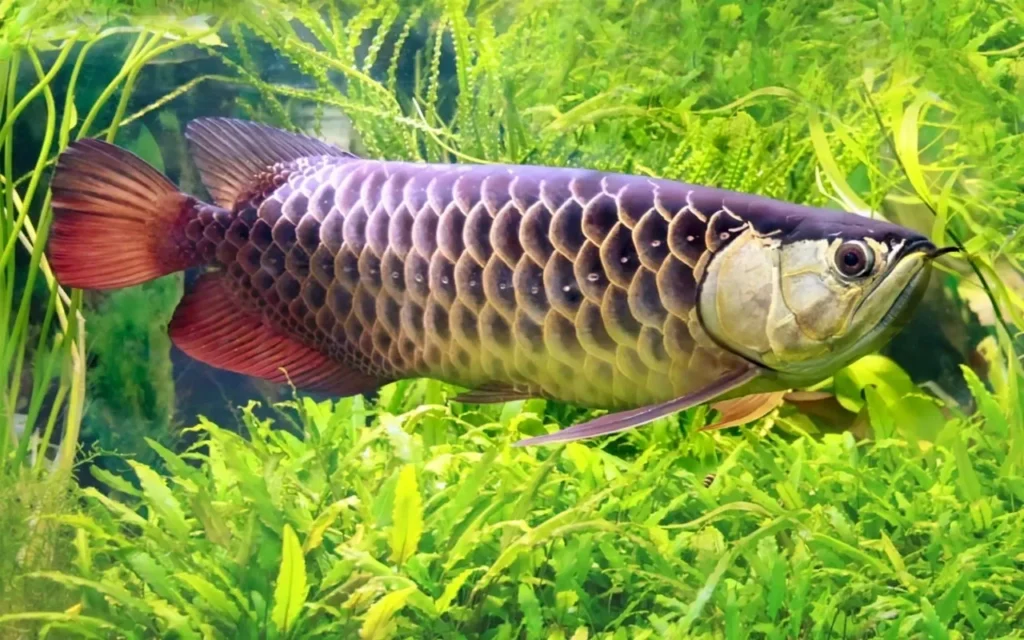
Owning an Asian Arowana is more than just a hobby; it is a commitment to one of the most prestigious and ancient fish in the aquatic world. Often referred to as the “Dragon Fish,” these creatures are symbols of luck and prosperity. However, their size and predatory nature require a specific setup to ensure they thrive.
Whether you are a seasoned aquarist or preparing for your first “Dragon,” understanding the fundamentals of their care is the first step toward a successful journey.
Strategic Diet and Nutrition
A healthy Arowana begins with a balanced diet. While these fish are natural hunters, relying solely on one food source can lead to nutritional deficiencies. Most experts recommend a base of high-quality floating pellets supplemented with protein-rich snacks.
- Protein Sources: Mussels, prawns, whitebait, and cockles are excellent frozen options.
- The Live Food Debate: Many keepers avoid live feeder fish. Not only does this prevent the introduction of parasites, but it also ensures your fish remains docile enough for a community setting.
- Feeding Schedule: For adult fish, feeding five days a week with a mix of protein and spirulina-based pellets maintains peak coloration and energy.
Space: The Ultimate Requirement
You cannot underestimate the growth potential of an Asian Arowana. These fish can easily reach lengths of nearly two feet. Keeping them in a cramped environment leads to stunted growth and spinal issues.
A 1,500-liter (approximately 400-gallon) tank is considered the gold standard for a single adult. Ideally, the aquarium should be at least 8 feet long. Planning for this size from day one prevents the stress of multiple tank upgrades as the fish matures.
Selecting Compatible Tank Mates
Arowanas primarily occupy the top layer of the water column. This leaves the middle and bottom of the tank open for compatible species. The key is choosing fish that are large enough not to be considered “dinner.
Filtration and Water Stability
Because of their high-protein diet, Arowanas produce significant waste. Heavy filtration is non-negotiable. While high-end external filters work, a dedicated sump system is often the most efficient way to manage a 400-gallon volume.
Maintaining stable water parameters is more important than chasing a “perfect” pH. Whether your water is slightly acidic or sits at a 7.8 pH, consistency is what keeps the immune system strong. Additionally, using wave pumps to create high water flow will keep the water oxygenated and ensure waste is pushed toward the filters.
https://shorturl.fm/KXqpu